Deploying the Perfect Automated Marketing Infrastructure

Couple of talk to each other. None are really owned by you. The outcome? A fragmented information ecosystem where: are never recorded in a merged view in advertisement invest is squandered due to attribution gaps report they "do not trust their own data" When Facebook altered its algorithm in 2023, countless brands saw overnight drops of 40-60% in organic reach.
This is the expense of renting intelligence instead of owning infrastructure. Cost CategoryAnnual Effect per EnterpriseMigration work and lost historic contextPerformance volatility that is difficult to explainBudget increases tied to usage and agreement changesReview, remediation, and enforcement exposureReplacement and re-integration workMust be modeled from the enterprise's own agreements and operating information AI marketing facilities is.
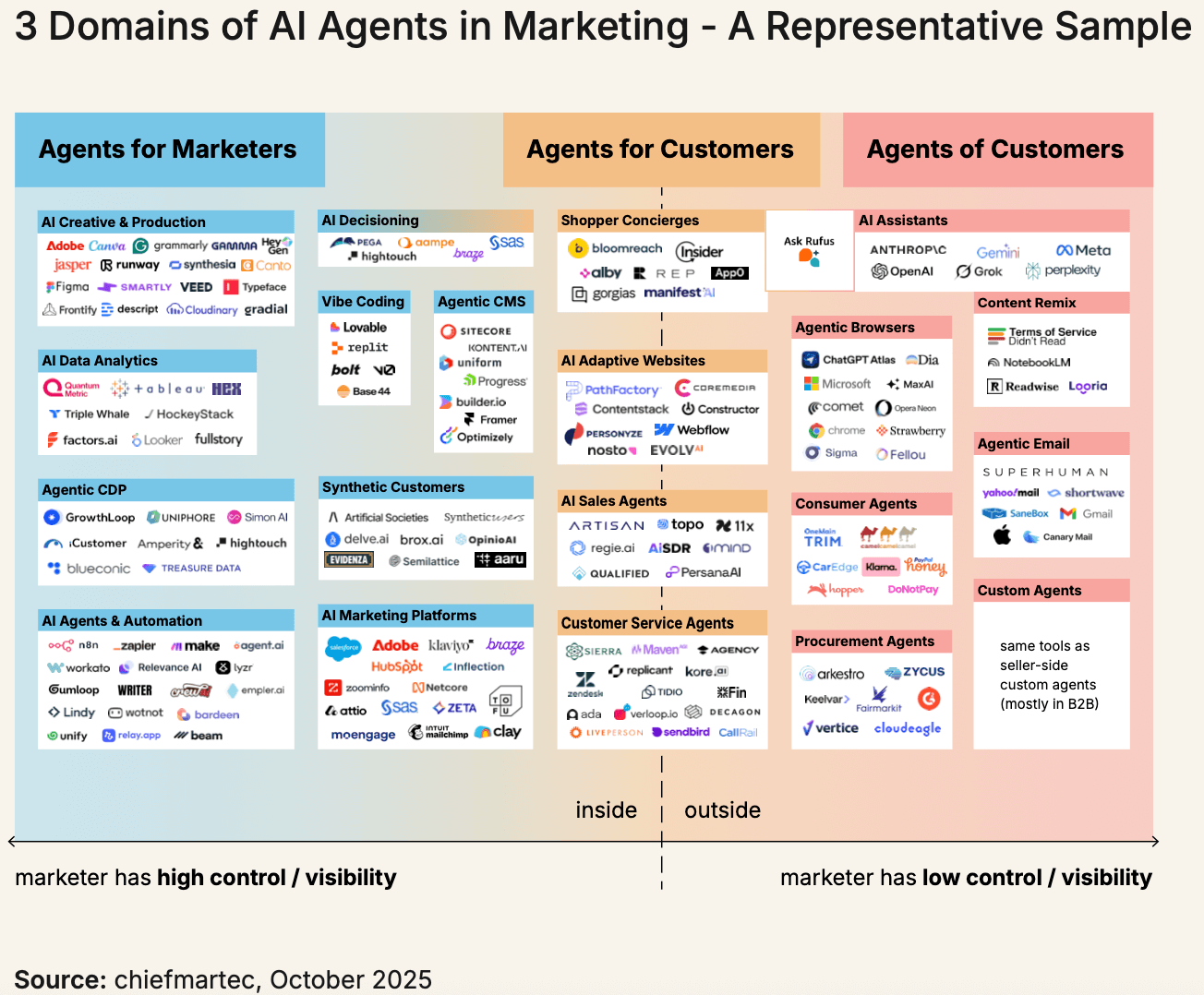
They serve really various jobs. CapabilityCustomer Data Platform (CDP)Marketing Automation (HubSpot, Marketo)Demand-Side Platform (DSP)AI Marketing InfrastructureUnify consumer recordsSend projects, score leadsBuy ad inventoryOwn the complete data decision activation loopVendor cloudVendor cloudVendor cloudYour servers or your cloudNoneStatic rulesVendor's black-box bidderYour explainable ML modelsLimitedBatch/ scheduledAd-onlyCross-channel, sub-secondPer record/ MAUPer contact/ seat% of media spendFixed licensingHighVery highHighLow (portable by design)Stitching identitiesSMB project opsProgrammatic buyingEnterprises that desire one governed system a CDP is a database, marketing automation is a workflow engine, a DSP is a media-buying tool.
Ensuring High Reliability for Marketing Stacks
You can run a CDP, an MA tool, and a DSP side-by-side and still not have infrastructure due to the fact that the intelligence layer that ties them together does not exist as an item you can purchase off the shelf. No. A CDP holds data; facilities chooses what to do with it, executes the choice in genuine time throughout every channel, and describes the thinking.