Future-Proofing the Marketing Strategy With 2026 Digital Shifts

It includes automation, information, AI, and cloud to improve business operations. From logistics automation to virtual healthcare, transformation can drive both development and efficiency.
In this post, we'll check out how services are accepting digital improvement, where initiatives are focused, and why it remains a leading concern for companies looking for to stay competitive in a progressively fast-paced, tech-driven world. Digital improvement includes making use of the most recent digital innovations to essentially reshape how a business runs. While digital transformation became a mainstream company necessary in the 2010s, the roots go even more back, beginning with digitization in the 1980s and '90s.
The term "digital transformation" itself began acquiring traction around 2011, when it was utilized to explain the wider organizational effect of innovation shifts. But true digital improvement exceeds IT upgrades or modernizing existing workflows. It uses cutting-edge technologies to reimagine those procedures totally, unlocking brand-new kinds of worth for consumers and driving long-lasting growth.
How to Optimize Your Digital Tech in 2026
Let's clarify with an example from consumer service: Suppose a company moves from phone-based support to email or presents a chatbot for after-hours questions. These are: using technology to improve an existing procedure.
Digital transformation fundamentally changes the nature of support, making it more ingenious, personal, and constantly readily available. That's digital improvement: a fundamental shift in how value is delivered through innovation. The blueprint for digital change varies extensively depending upon a business's size, industry, and objectives. With emerging innovations and shifting client expectations, there's no set formula.
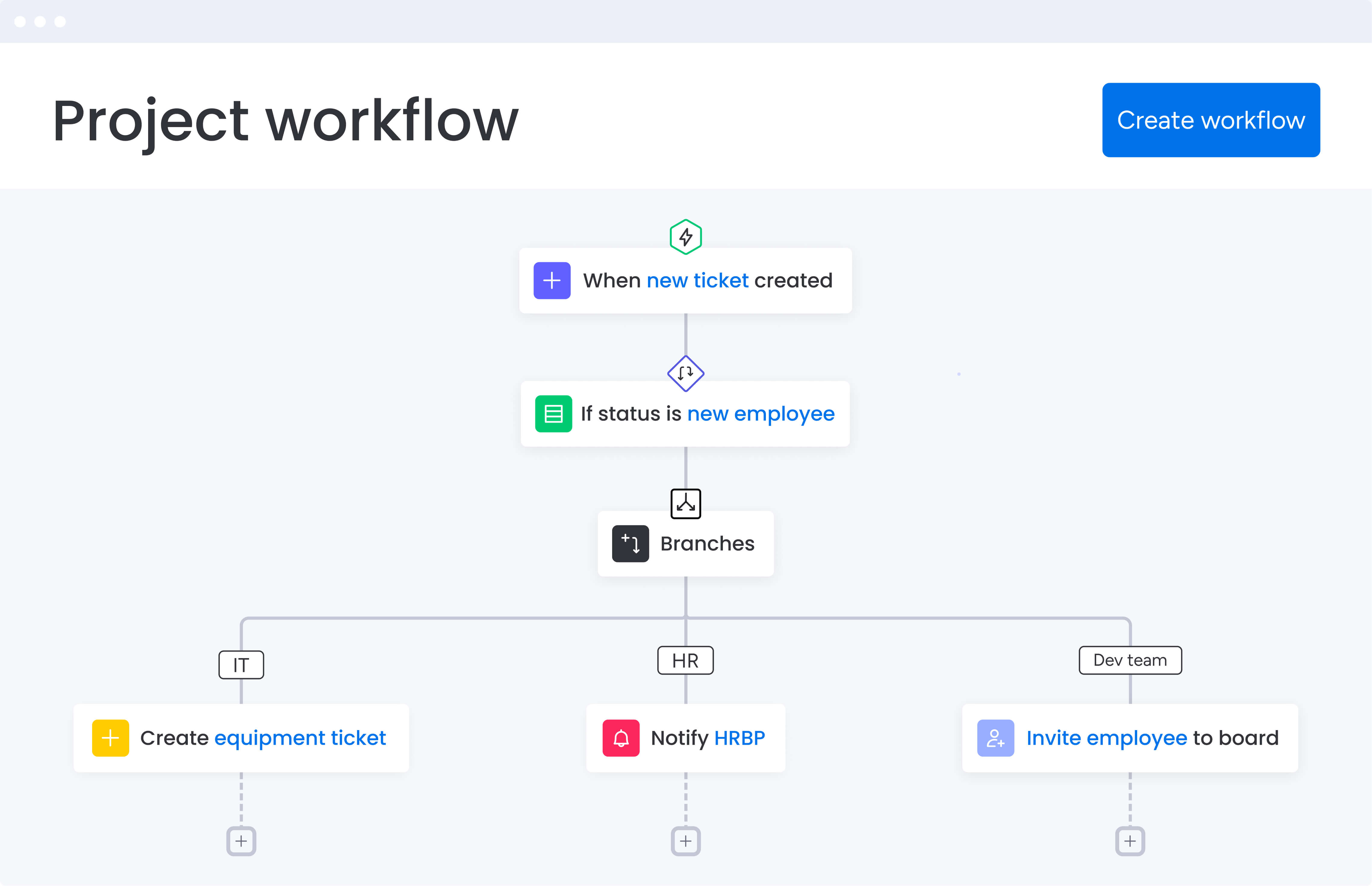
Many digital change efforts concentrate on these essential locations: Automated workflows replace manual processes, minimizing mistakes, increasing performance, and making it possible for workers to focus on higher-value tasks. Continuously reconsidering how value is delivered by simplifying digital journeys, accelerating assistance, and individualizing experiences throughout all channels. Legacy systems often sluggish development.
Why Cloud Platforms Redefine Digital Transformation for 2026
Real-time data and analytics supply insights into efficiency and client behavior, enabling smarter, quicker choices. Unifying platforms and procedures break down department silos, improves partnership, and provides management an extensive view of operations. As connectivity boosts, so do threats. Enhancing security, securing information personal privacy, and conference regulatory requirements are important to reducing disruptions.
According to Harvard Business Review, effective digital improvement tends to include 5 interconnected elements:: Getting the ideal leadership, culture, and skill in place.: Gathering tidy, top quality data throughout systems.: Turning that data into functional insights through analytics.: Operationalizing insights throughout workflows, systems, and decisions.: Determining results and refining strategies based upon efficiency.
Other well-established frameworks, like McKinsey's 7S design or BCG's Digital Velocity Index, also highlight the value of aligning technique, structure, and individuals to drive significant transformation. The precise structure matters less than ensuring all components of the business are aligned and evolving together. The 5 primary parts of digital change include individuals, data, insights, action and results.
Here are some particular real-world advantages can you anticipate: Leveraging the most recent innovations allows you to rethink your entire service design. Early adoption or pioneering new tools can assist you approach obstacles in distinct methods, grow market share, and stay ahead while rivals are still capturing up. Digital change enables you to boost the customer journey from start to end up.
Can Automation Boost ROI in Digital Growth Agencies?
Automating manual tasks simplifies workflows, lowers mistakes, and releases staff members to concentrate on higher-value work. These effectiveness result in cost savings through better resource allotment, less bottlenecks, and, sometimes, reduced staffing requirements. Real-time information and integrated systems offer teams with improved visibility, permitting your business to respond and adjust quickly to market modifications, consumer needs, or internal obstacles.
Here are some common problems to be familiar with:. Embracing cutting-edge innovation is pricey, especially when establishing new options. Beyond the innovation itself, training, recruitment, and unexpected downtime can add to costs. The long-lasting ROI is favorable, but success isn't immediate. A total overhaul of existing procedures can produce genuine uncertainty for employees.
Without buy-in from management and personnel, digital improvement is more likely to fail. Rolling out digital change simultaneously is barely practical: the scope is too broad and the danger is too expensive. Rolling out new systems gradually can result in combination problems with existing legacy infrastructure, leading to information silos, traffic jams, and disappointment for workers and customers.