Optimize the SEO VPS for Automation
You require reliable reporting in days or weeks, and can't pay for to wait months. You 'd rather your group focus on analysis than on keeping connectors alive.
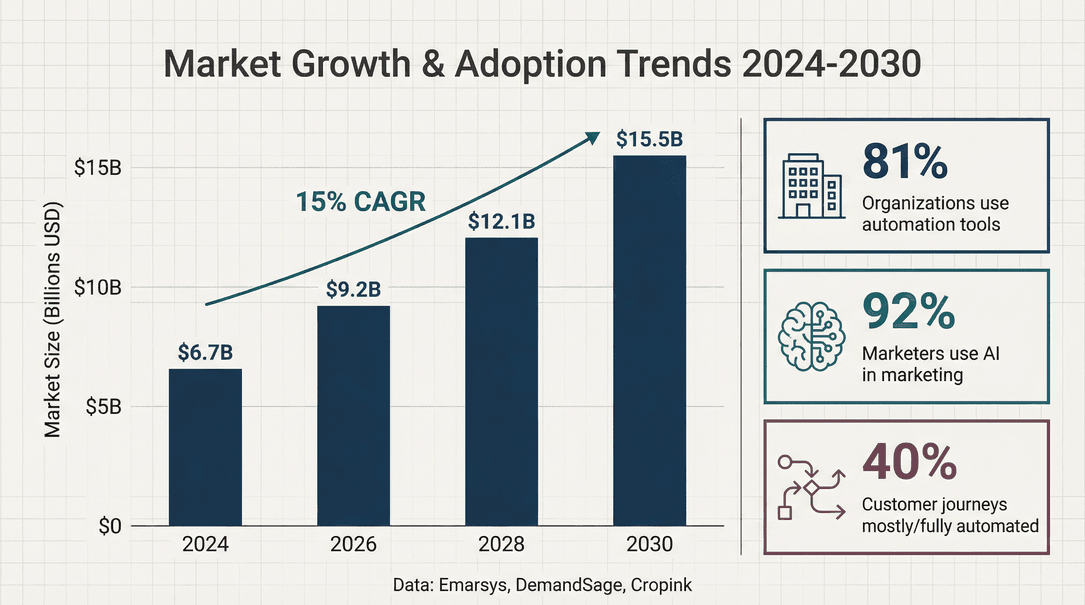
Your requirements line up with basic marketing platforms, and your edge cases are manageable. You can take in variable engineering and facilities costs that compound gradually. You need a clear, set line product in the budget plan. The underlying concern is, where do you wish to invest your time and internal resources: creating and maintaining data source combinations, or developing business worth? The typical number of SaaS applications used by business rose from 80 in 2020 to 130 in 2022 and the industry is just set to grow in the coming years.
Selecting in between building a data pipeline or purchasing is a high-stakes decision that impacts your spending plan and your group's work for several years. A lot of people focus just on the preliminary cost, however that neglects the long-lasting truth of keeping the system running. You require a structured way to look at the issue so you don't dedicate your group to a job that ultimately ends up being too costly or time-consuming to manage.
If you have a lot of time, a large engineering team, and need the software to do something really particular, building it yourself permits more personalization. If you utilize the same popular marketing platforms like search engines, Meta and TikTok there is little factor to develop your own tool. Standard tools currently solve these typical issues well.
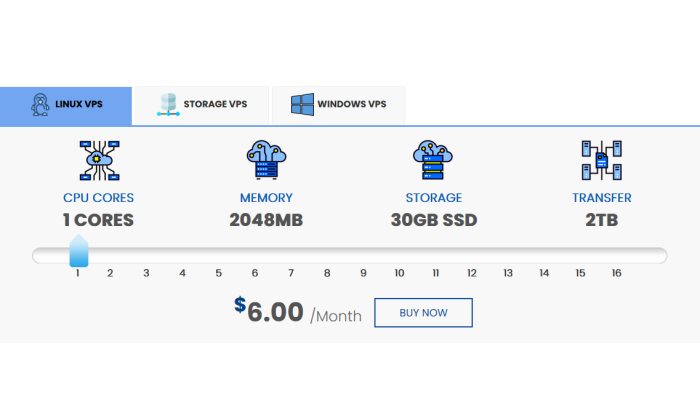
Key Hardware Requirements for SEO Virtual Servers
Constructing a tool is a long-term job. If your team was worked with to analyze consumer marketing data rather than fix damaged code, the constant upkeep will avoid them from doing their real jobs. If nobody on your team wishes to be accountable for long-term repairs, you ought to buy a service instead.
Modern platforms utilize AI to automate jobs that formerly needed dedicated engineering time, like anomaly detection, information recognition and smart schema mapping. A drop in invest or a disappearing metric gets flagged before it reaches your reports. Data organization that took a week of manual work can now take place in minutes.
Funnel's MCP Server goes further: delivering 600+ adapters, a semantic layer that standardizes cross-channel project information and business context your team has constructed into your office. The AI gets information it understands, so you invest less time describing to it what your metrics imply and more time acting upon what they expose.
Handled platforms ship updates constantly while in-house teams spend their maintenance budget keeping existing pipelines from breaking. Constructing an internal information collection and transformation option is typically more difficult than most business imagine. Automated solutions like Funnel can provide a scalable and expense effective service without jeopardizing flexibility or control.
It maintains your raw information at the source and applies change at question time. Now, this is essential when an advertisement platform changes its schema, or you need to reprocess history under a various guideline; your data isn't locked into yesterday's design. The result is a managed layer that provides you the speed of buying with much of the versatility you 'd get out of constructing it yourself.
The Future of SEO Infrastructure in 2026
If you need something off-menu, custom-made integrations can be built on demand, guaranteeing coverage for all marketing platforms your group is using. A robust and versatile information change level makes cleaning, mapping and reporting on significant groups of information not just possible, but attainable in minutes by an organization user.
Quick onboarding with pre-builds suggests you need to be up and running in no time with academic resources and customer assistance when required. With all the professionals working on today's platforms, a lot of tools can plug and play with no code knowledge and no expertise in information science.
A data pipeline is a series of connected procedures that move data from a source to a location, typically for analysis or storage. It's like a conveyor belt that carries data from one phase to the next, transforming and cleaning it along the way. Key elements of a data pipeline normally consist of: Data ingestion: This includes collecting information from different sources, such as databases, APIs, files, or sensing units.
Making it possible for innovative analytics: Pipelines can support intricate analytics techniques, such as artificial intelligence and synthetic intelligence. Examples of data pipelines consist of: Marketing analytics: Gathering and evaluating customer information to optimize marketing projects. Financial reporting: Event and processing monetary data for reporting and analysis. Fraud detection: Determining suspicious patterns in information to prevent deceitful activities.
In essence, a data pipeline is a crucial part of contemporary data management, making it possible for organizations to harness the power of their data to drive service value. Companies require data analytics options to make informed choices, enhance operations, and get an one-upmanship. By utilizing the power of their data, services can: Understand their customers: Examine client behavior, choices, and demographics to tailor services and products.
Maintaining High Reliability for Marketing Systems
Optimize operations: Determine ineffectiveness, lower expenses, and enhance efficiency through data-driven insights. Predict future patterns: Forecast market changes, expect client requirements, and establish proactive marketing methods. Gain a competitive benefit: Take advantage of data-driven insights to distinguish from rivals and produce new chances. The choice depends on your personnel, your due date and your information needs.
Develop a custom system only if you have actually experienced engineers with additional time and you are prepared to spend for repair work for several years. Many successful business utilize a mix, and they'll purchase a service for standard platforms and construct custom code only for their most distinct requirements. Preliminary advancement usually takes four to eight months, however the real cost appears in the 2nd year.
For many business, the cost of structure and preserving a customized system exceeds the rate of a membership service within 18 to 24 months. Custom-made construction makes good sense if your service has uncommon requirements that no existing software can manage. You should likewise have a senior engineering team devoted to long-term upkeep.
Using a pre-built service allows your group to invest their time evaluating outcomes rather than repairing broken connections.
is the owned, licensed alternative to leased SaaS marketing software. It combines identity resolution, a consumer information layer, real-time bidding (RTB), explainable machine-learning models, and orchestration in a single composable system that survives on your servers or in your cloud not a vendor's. Enterprises examine it to enhance information governance, decrease direct exposure to variable use pricing, and make algorithmic decisions more inspectable across acquisition, retention, and yield.
Premium Server for Complex Link Building Automation
If you're benchmarking your stack, combine this guide with the Marketing Maturity Assessment and the Predictive ROI Calculator for a quantified view of your starting point and benefit. The marketing technology landscape has reached an inflection point. While services spend approximately on SaaS marketing tools, they're concurrently losing control of their most valuable possession:.