Optimizing Hardware Performance for Search Engine Automation
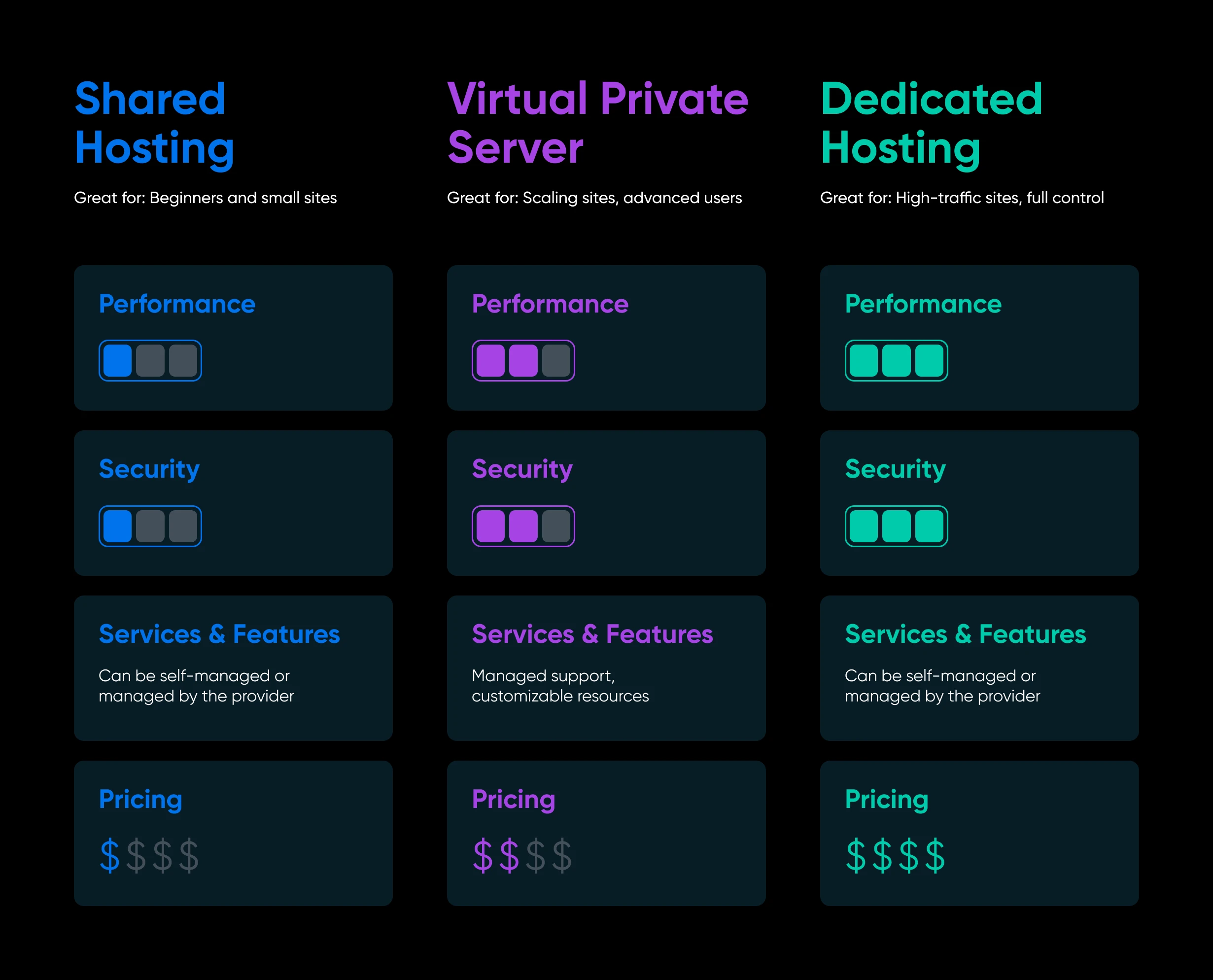
Budget-conscious site owners can accomplish solid SEO fundamentals with Hostinger, however resource restrictions might affect growth in competitive niches. Functions like server-level caching, edge CDN, and modern PHP/DB efficiency are necessary for high-traffic and WooCommerce websites to keep SEO. Moving to an SEO-friendly host requires mindful planning, backups, and post-move audits to protect rankings and improve Core Web Vitals.
If you desire just the highlights (I get it sometimes you simply want the response now): Devoster my own go-to these days for zero-lag Core Web Vitals Hostinger fantastic worth, surprisingly strong numbers in real tests Kinsta quickly under load, e-com friendly features WP Engine white-glove support, bulletproof uptime But if you like invoices, numbers, and sometimes-unflattering anecdotes stick with me for the full scoop.
Here's who ought to sweat the details: Site owners who rely on rankings: blog writers, e-commerce shop owners, affiliate online marketers, news authors. Folks noticing slow rankings, high bounce, or poor Core Web Vitals.
If your host is sluggish, no quantity of caching will conserve you. For worldwide visitors, edge shipment isn't optional anymore. Expect ranking punishment.
Here's what hosting effects directly: Hosting speed, CDN, and server optimization straight drive this metric. Less direct, however sluggish hosting can make other frontend problems worse.
Optimizing Server Speed for Search Engine Automation
Look for 99.95% minimum I've had hosts slip and tank a month's rankings. I set up identical WordPress websites on each host utilizing the Astra style (barebones and popular), 10 demonstration posts, WooCommerce plugin, and a smattering of real images.
Fast synthetic tests from multiple internet browser profiles For advanced metrics throughout locations and simulated connections For detailed waterfall charts and timings Tracking real visitors, not simply bots Anyone can ace artificial scores on an empty test website. Real users trigger plugins, engage with checkout, and hit your website from all corners of the earth.
Last year, after battling mystery slowdowns and vanishing rankings on a "huge name" host, I made the switch on a friend's insistence. Overnight (okay, 36 hours but who's counting), my LCP dropped listed below 1.2 s and bounce rate took a nosedive.
Fastest TTFB in real-user tests, SEO-friendly configs out of package (HTTP/3, Brotli, automatic image optimization). Assistance team in fact addresses SEO questions. A little pricier than bottom-tier hosts, but the ROI more than offsets it. TTFB regularly 90120ms (United States), LCP 1.11.5 s, 100% uptime last 90 days, built-in CDN. Kinsta is the classic choice if you require scalable handled WordPress and beautiful Core Web Vitals.
Not inexpensive charged per site, with some plugin limitations. Perfect if you desire to select your own cloud server (DigitalOcean, Vultr, AWS).
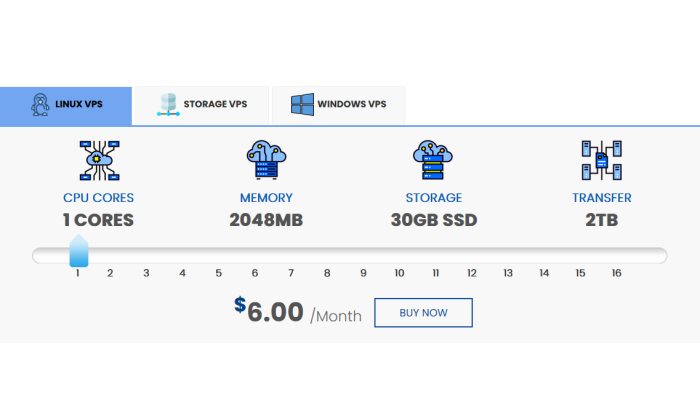
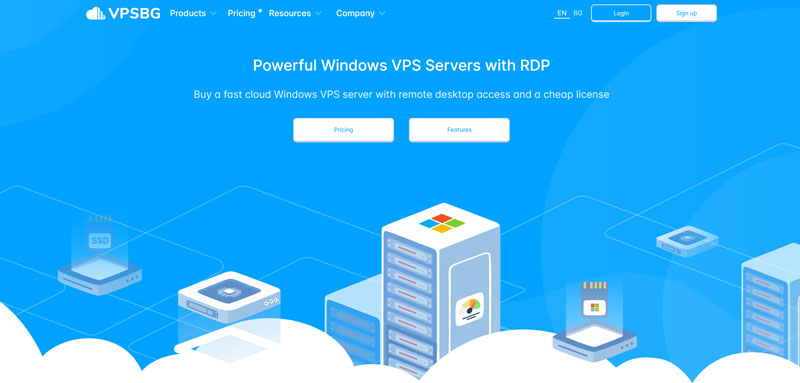
Cost-Effective Desktop OS VPS for Digital Marketing Software
TTFB in the 120220ms vary when well-tuned, varies by cloud supplier. That means Tokyo and Texas both see shockingly fast loads.
A little odd dashboard, needs a little knowing, premium pricing. Support that's seen every traffic spike, robust automated backups, advanced routing.
I've set up dozens of customer websites performance is "good enough" for the majority of little organisations. Strong performance for modest websites, simple dashboard, outstanding proactive security.
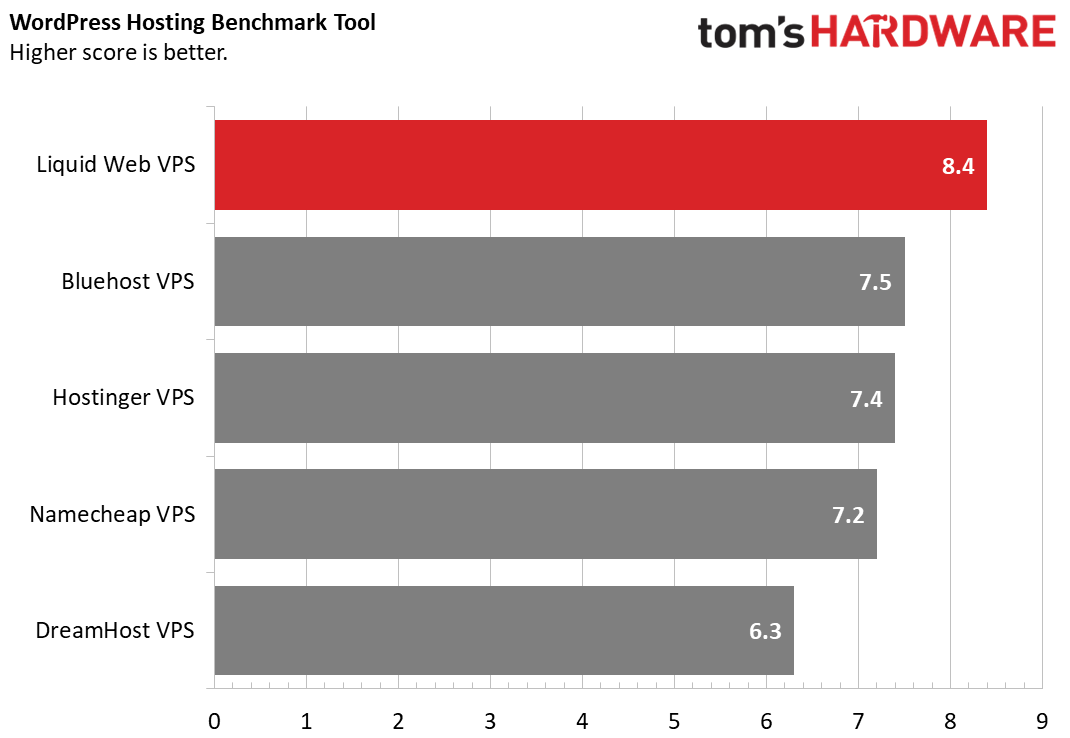
Namecheap is decent for small or simple websites simply understand the tradeoffs, and don't run your main organization on $1/mo hosting. Low-cost, fast for fundamental use, simple onboarding. Resource limits, in some cases slower during traffic spikes, limited international CDN edge.