Securing Your Marketing Strategy With 2026 Digital Shifts
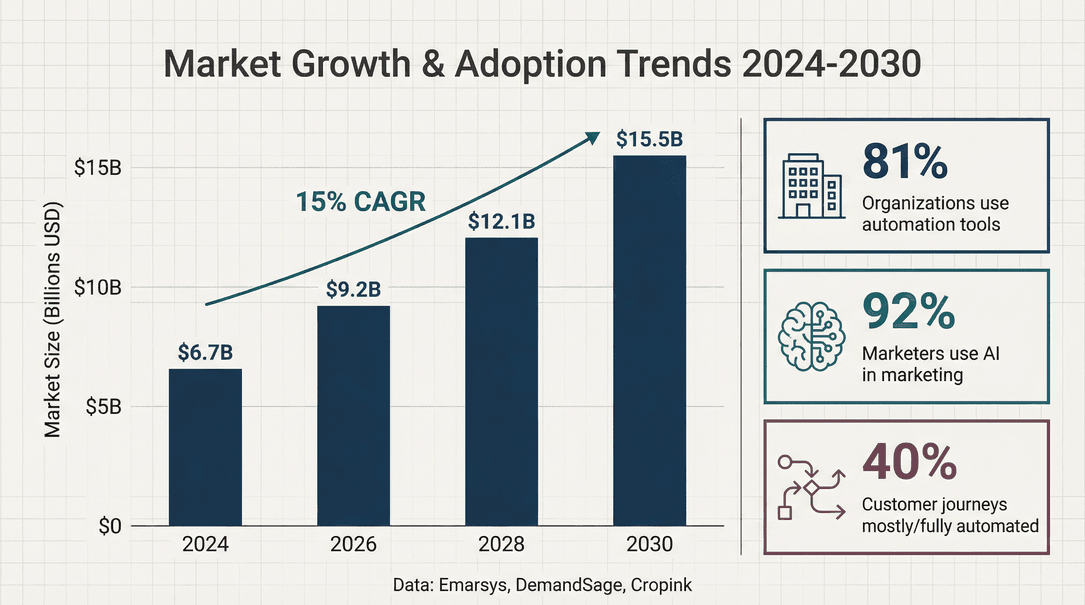
Click for a specific section: Research suggests that 61% of C-suite executives think digital transformation is a leading priority in their organizations. Yet, only 21% of companies mention that the entire C-Suite holds responsibility for managing digital improvement initiatives. A substantial 94% of decision-makers at big organizations report that they have a digital transformation technique.
Research suggests that 81% of service leaders perceive investment in digital change as a vital or necessary component for achieving success in their organizations. Digital improvement ranks amongst the leading 3 IT efforts, carefully behind cybersecurity (76%) and cloud (75%). According to the bulk of US participants, the results of financial investments in digital change have surpassed their expectations, in specific with enhancing worker efficiency, cost-cutting, and improving customer engagement.

According to surveyed executives worldwide, an average of 63% of respondents have reported a favorable impact in regards to success or efficiency from digital improvement efforts over the past 24 months. A recent study shows that 38% of executives around the world report having buy-in from senior leaders for carrying out new tools and technologies.
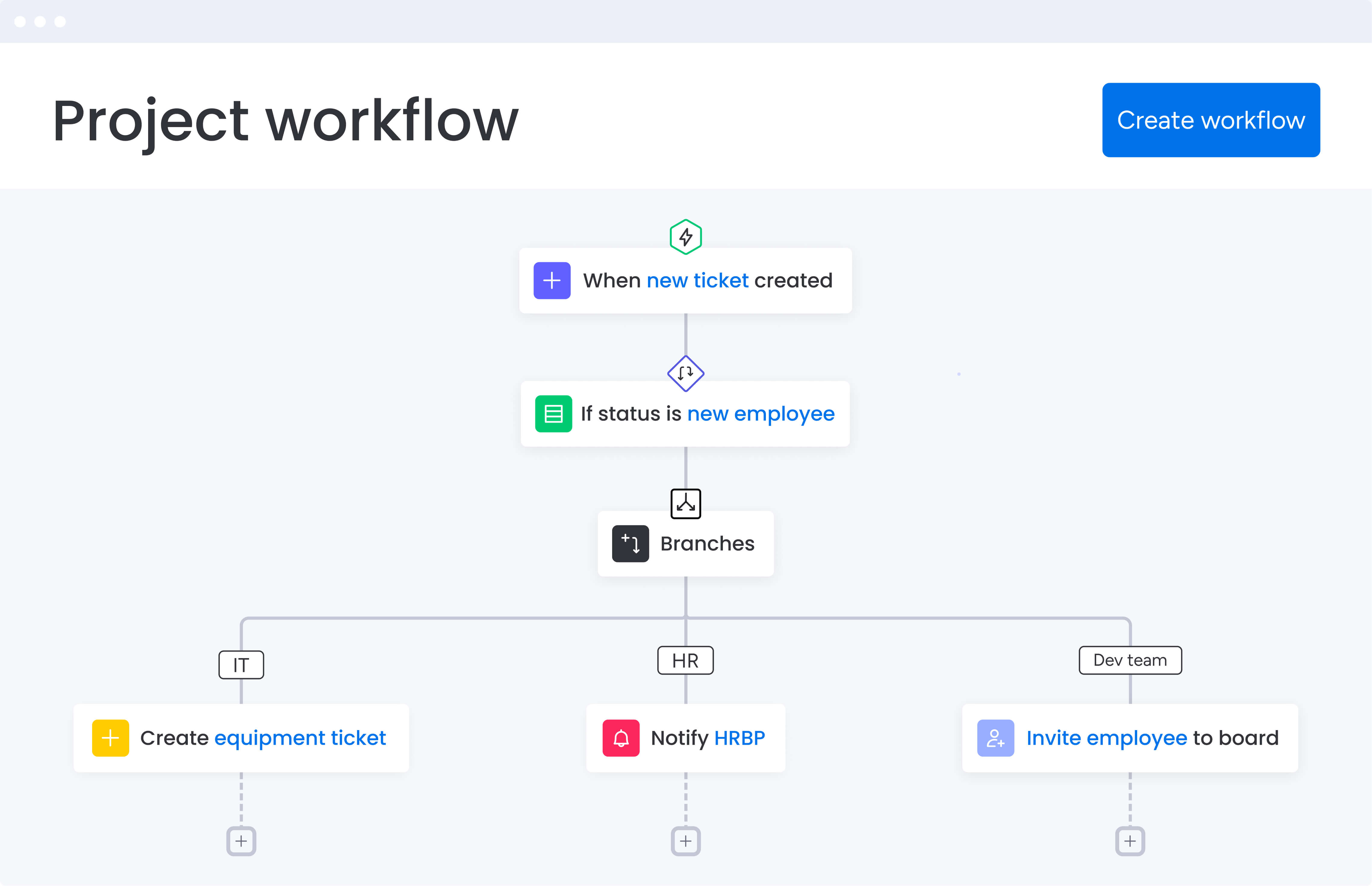
Merging Automated Tools Into Modern Agency Workflows
72% of CEOs claim they have an aggressive digital financial investment method (KPMG) Digital investment is a key priority for CEOs, with 72 percent agreeing that they have developed an ambitious digital financial investment method. According to a recent survey, 9 in 10 senior leaders reported that they had actually pursued digital transformation at their company in the past 2 years.
Here's a total list of leading digital improvement goals according to business leaders: Digital Change Objective Share of Respondents Improve customer experience and engagement 35% Replace or upgrade tradition IT systems 34% Lower operational inadequacy 31% Enhance staff member performance/productivity 30% Transform existing business processes 29% Increase/achieve innovation 25% Bolster cybersecurity 25% Gain competitive advantage 24% Improve worker experience 18% ncrease speed to market of existing products or services 17% Present new products or services 17% Introduce brand-new business models/revenue streams 16% Digital change spending reached $2.5 trillion in 2024 and is set to reach $3.9 trillion by 2027.