The Evolution of SEO Infrastructure in 2026

Examples of data pipelines consist of: Marketing analytics: Collecting and evaluating consumer data to optimize marketing projects. Financial reporting: Gathering and processing financial information for reporting and analysis.

In essence, an information pipeline is a vital component of contemporary information management, allowing companies to harness the power of their information to drive company worth. Business require information analytics services to make informed choices, optimize operations, and get a competitive edge. By harnessing the power of their data, services can: Understand their clients: Examine consumer behavior, preferences, and demographics to customize items and services.
Anticipate future trends: Forecast market changes, prepare for customer requirements, and establish proactive marketing strategies. The option depends on your personnel, your due date and your information needs.
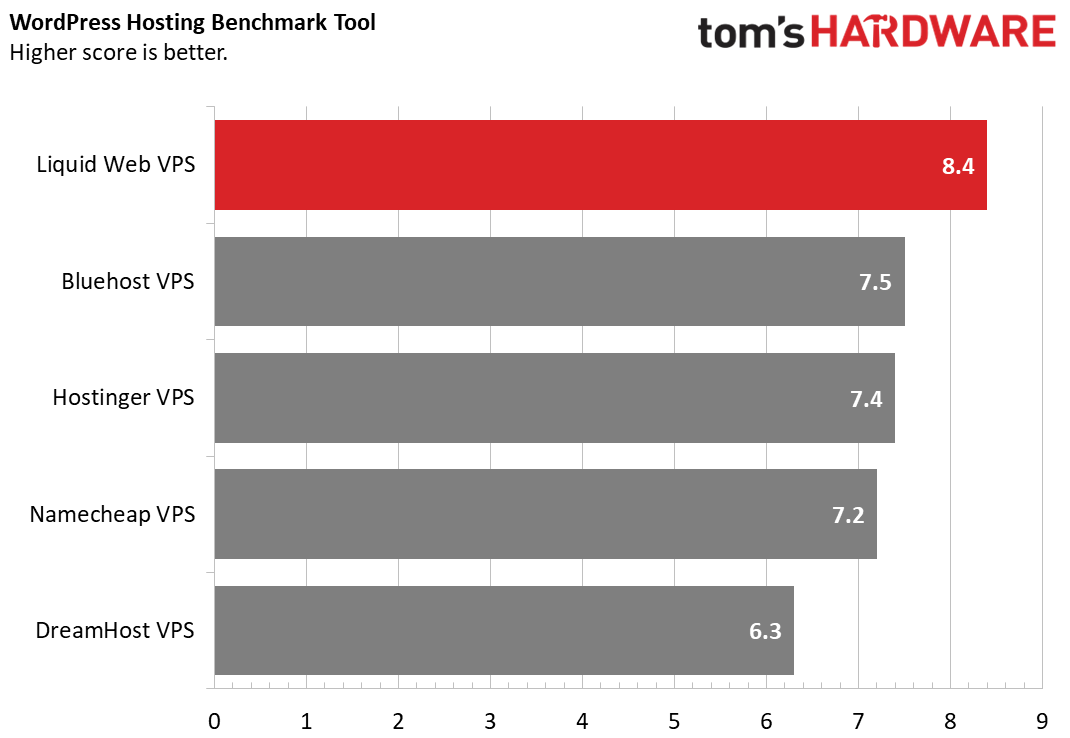
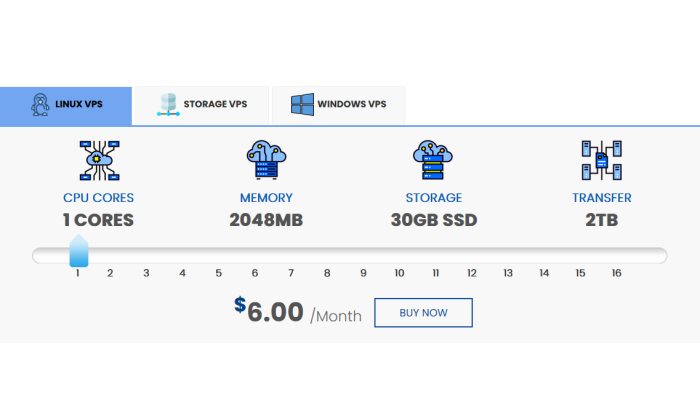
Technical Performance and Reliability Metrics of Virtual Servers
Develop a custom-made system only if you have actually experienced engineers with additional time and you are prepared to pay for repairs for numerous years. Most effective business use a mix, and they'll buy a service for basic platforms and develop customized code only for their most distinct requirements. Preliminary development generally takes 4 to eight months, but the real cost appears in the second year.
For a lot of companies, the cost of building and maintaining a custom system surpasses the price of a subscription service within 18 to 24 months. Custom-made construction makes good sense if your organization has uncommon requirements that no existing software can deal with. You need to also have a senior engineering team committed to long-term upkeep.
Utilizing a pre-built service enables your group to invest their time analyzing results instead of repairing damaged connections.
is the owned, certified alternative to leased SaaS marketing software. It combines identity resolution, a consumer information layer, real-time bidding (RTB), explainable machine-learning designs, and orchestration in a single composable system that lives on your servers or in your cloud not a vendor's. Enterprises evaluate it to improve information governance, lower direct exposure to variable use pricing, and make algorithmic decisions more inspectable throughout acquisition, retention, and yield.
If you're benchmarking your stack, pair this guide with the Marketing Maturity Evaluation and the Predictive ROI Calculator for a measured view of your beginning point and upside. The marketing innovation landscape has actually reached an inflection point. While services spend approximately on SaaS marketing tools, they're all at once losing control of their most valuable possession:.
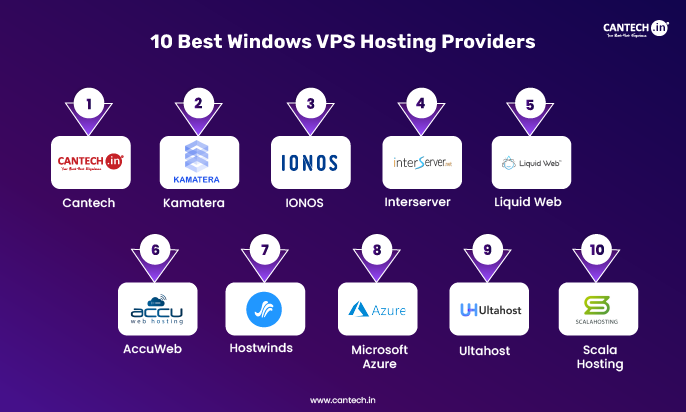
The Top 2026 Marketing VPS Selection
None are genuinely owned by you. A fragmented information environment where: are never ever recorded in an unified view in advertisement invest is lost due to attribution spaces report they "do not trust their own data" When Facebook altered its algorithm in 2023, thousands of brands saw over night drops of 40-60% in organic reach.
This is the expense of leasing intelligence rather of owning facilities. Expense CategoryAnnual Effect per EnterpriseMigration work and lost historic contextPerformance volatility that is tough to explainBudget increases connected to usage and agreement changesReview, removal, and enforcement exposureReplacement and re-integration workMust be modeled from the enterprise's own contracts and running information AI marketing infrastructure is.
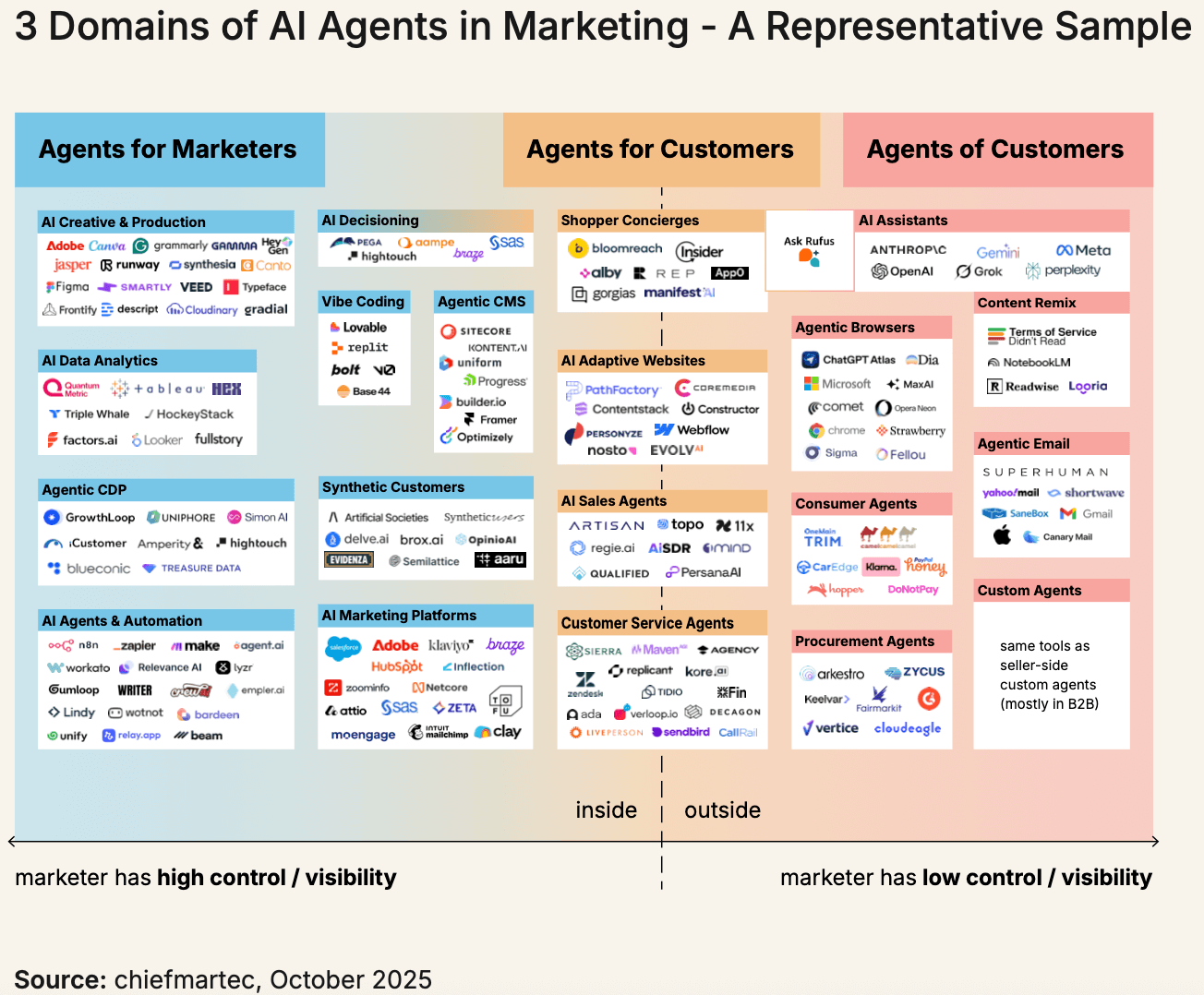
They serve really different jobs. CapabilityCustomer Data Platform (CDP)Marketing Automation (HubSpot, Marketo)Demand-Side Platform (DSP)AI Marketing InfrastructureUnify consumer recordsSend projects, score leadsBuy advertisement inventoryOwn the full information choice activation loopVendor cloudVendor cloudVendor cloudYour servers or your cloudNoneStatic rulesVendor's black-box bidderYour explainable ML modelsLimitedBatch/ scheduledAd-onlyCross-channel, sub-secondPer record/ MAUPer contact/ seat% of media spendFixed licensingHighVery highHighLow (portable by style)Sewing identitiesSMB project opsProgrammatic buyingEnterprises that want one governed system a CDP is a database, marketing automation is a workflow engine, a DSP is a media-buying tool.
You can run a CDP, an MA tool, and a DSP side-by-side and still not have infrastructure since the intelligence layer that ties them together does not exist as an item you can buy off the shelf. No. A CDP holds data; infrastructure decides what to do with it, executes the decision in real time throughout every channel, and explains the reasoning.
The Future of Technical SEO Infrastructure in 2026
Few talk to each other. None are really owned by you. The outcome? A fragmented information environment where: are never recorded in a combined view in ad spend is wasted due to attribution spaces report they "don't trust their own data" When Facebook changed its algorithm in 2023, countless brands saw overnight drops of 40-60% in organic reach.
This is the expense of leasing intelligence rather of owning facilities. Expense CategoryAnnual Impact per EnterpriseMigration work and lost historic contextPerformance volatility that is hard to explainBudget increases connected to usage and contract changesReview, removal, and enforcement exposureReplacement and re-integration workMust be modeled from the enterprise's own contracts and running data AI marketing facilities is.
They serve extremely various tasks. CapabilityCustomer Data Platform (CDP)Marketing Automation (HubSpot, Marketo)Demand-Side Platform (DSP)AI Marketing InfrastructureUnify consumer recordsSend campaigns, score leadsBuy ad inventoryOwn the complete information decision activation loopVendor cloudVendor cloudVendor cloudYour servers or your cloudNoneStatic rulesVendor's black-box bidderYour explainable ML modelsLimitedBatch/ scheduledAd-onlyCross-channel, sub-secondPer record/ MAUPer contact/ seat% of media spendFixed licensingHighVery highHighLow (portable by design)Sewing identitiesSMB project opsProgrammatic buyingEnterprises that desire one governed system a CDP is a database, marketing automation is a workflow engine, a DSP is a media-buying tool.
The Evolution of SEO Infrastructure in 2026
You can run a CDP, an MA tool, and a DSP side-by-side and still not have facilities due to the fact that the intelligence layer that ties them together does not exist as an item you can buy off the rack. No. A CDP holds data; infrastructure chooses what to do with it, executes the decision in genuine time across every channel, and describes the reasoning.